Notes from the garden: May, from Hand Picked Hotels’ Head of Garden Design, Caroline Scaramanga.
May is a crossover month – as the garden transitions from the early spring bulbs to the leafing of the trees and the emergence of herbaceous planting. It is a time when the middle storey comes into its own – the Rhododendrons, Camellias, Fothergillas, Magnolias, whilst the lower woodland floor profits from dappled shade before the full tree canopy above shields the sun.
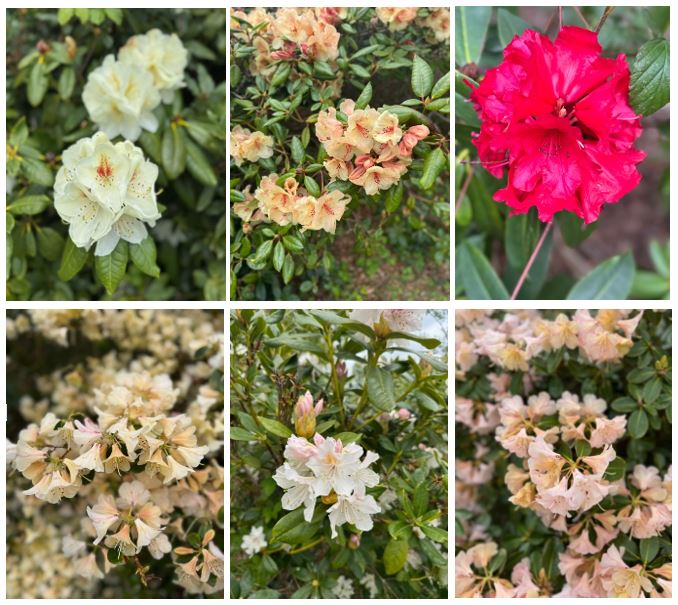
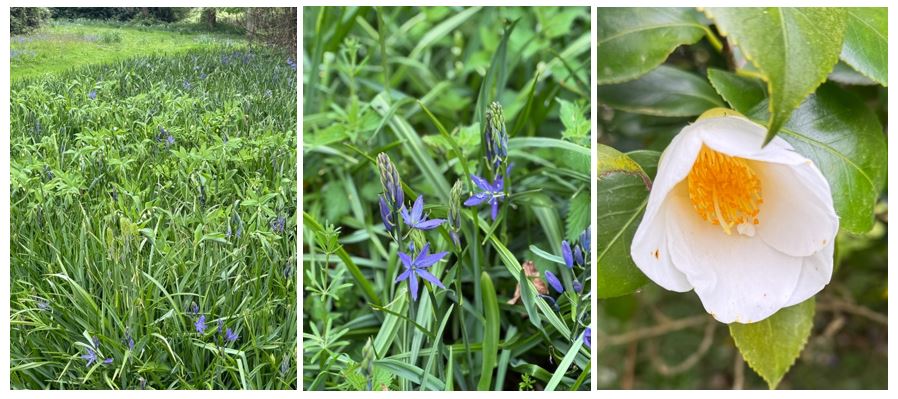
At Buxted Park, this seasonal sensation is in full bloom – a wonderful variety of Rhododendrons are in full bloom, whilst drifts of arching Solomon’s Seal (Polygonatum), spires of Camassia, and woodland Anemone run through the woodlands of the formal garden.
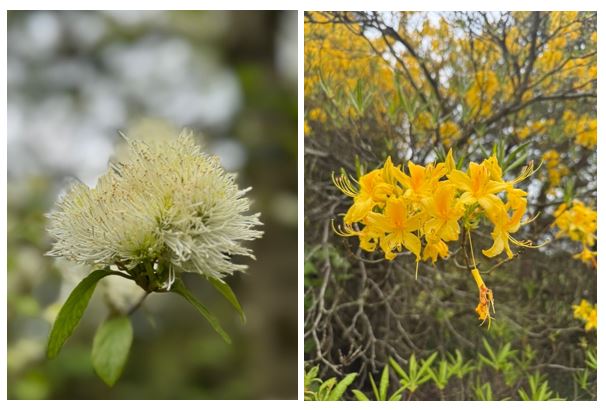
As you walk through the gardens, scent catches the air – that of the chalky, bottlebrush flowers of Fothergilla or the yellow Rhododendron luteum. One or two small branches of Fothergilla in the hotel reception lend their honeyed scent to welcome the new guests.
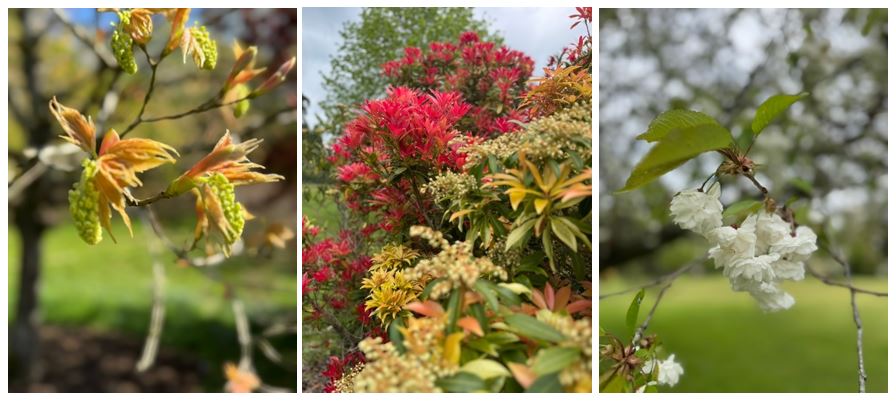
At this time of year, new leaves unfurl – the papery and translucent Acer leaves, the new fronds of fern, the bright reds and oranges of the Pieris. Fruit trees, both cultivated and native (like the Wild Cherry - Prunus avian), are also in blossom.
A garden such as Buxted offers an opportunity for dynamic seasonal successional interest, each month bringing its own new rewards. Rhododendrons do not bloom for long, but they anchor a mood — one of transition and fullness, as spring passes its baton to early summer. Around them, companion plants rise and recede, each adding texture and continuity to the display. And even as they fade, flowers such as the Camellia can have a dignity and elegance that is often overlooked.
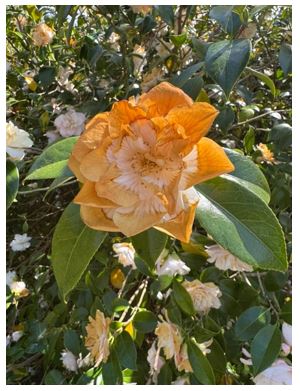
The value of a seasonal garden lies in this changeability; its continuing newness. It draws us out into the landscape, connects us to a time ordered by nature, not ourselves, and invites us to notice what is new, what has passed, and what quietly endures. We look forward to the surprises the following months will bring to our gardens and to continuing to learn how nature copes and adapts to our changing world.